
Baltimore Personal Injury Lawyer Serving Belvedere 21210
What Matters First After a Serious Injury in Belvedere?
After a serious injury in Belvedere, the first question is not simply whether an insurance company accepts that an accident occurred. The important question is what the evidence establishes about responsibility, medical causation and the losses caused by the injury.
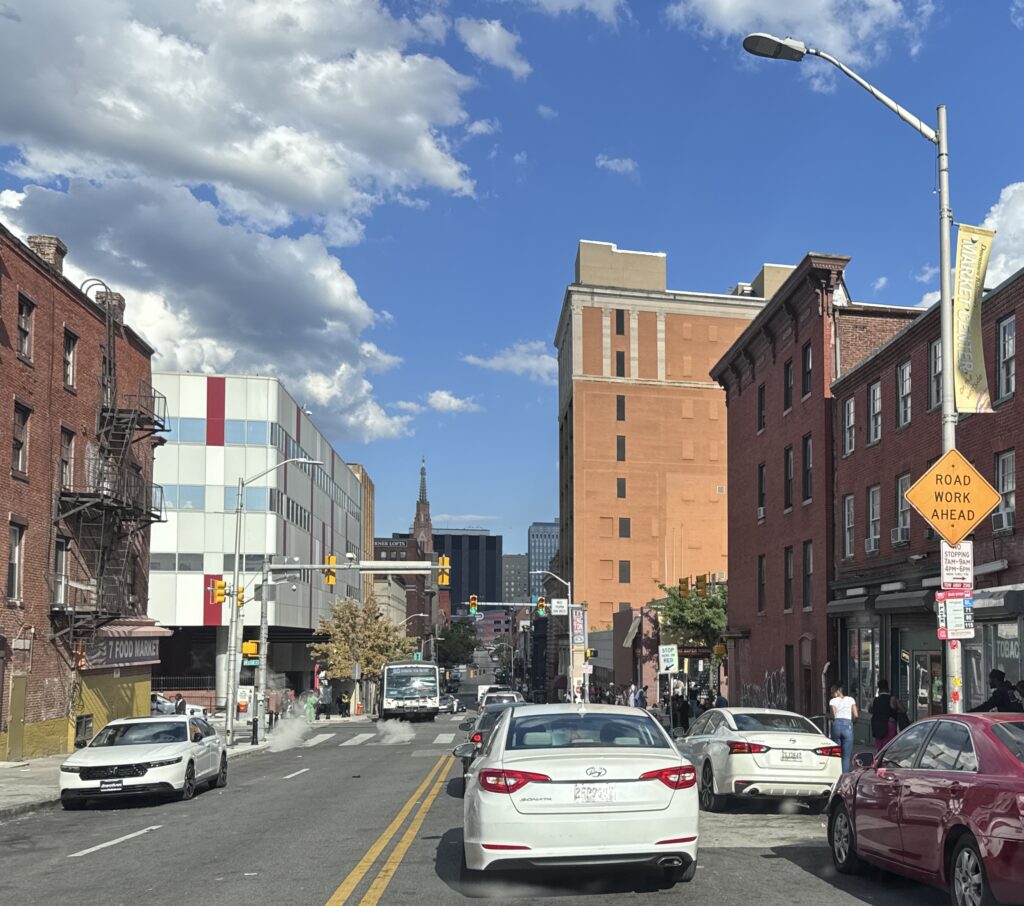
Belvedere presents two local conditions that can become important when an accident is reconstructed: substantial pedestrian activity around Belvedere Square and recurring delivery or rideshare curb activity that can temporarily change sightlines, stopping patterns and usable roadway space.
Neither condition proves negligence. They matter because an insurance company may later contend that a pedestrian appeared unexpectedly, a driver stopped unnecessarily, another vehicle merged without sufficient clearance, or the injured person had enough time to recognize and avoid the developing conflict.
Those factual positions can become especially important around York Road and Northern Parkway, while a collision involving North Charles Street may present a different multi-lane traffic and turning environment.
The first task is identifying the specific form of insurance resistance affecting the claim. The next—and more important—task is devising the offense against it.
When Does a Belvedere Injury Claim Become an Insurance Dispute?
Insurance resistance is the term I use to describe the different methods, strategies, tactics, positions, arguments, defenses and denials through which an insurance company may challenge, delay, narrow, reduce or deny payment on an injury claim.
A complete denial is not required.
The carrier may accept that a collision happened but dispute responsibility. It may accept fault but challenge whether the accident caused all of the claimed injury. It may accept liability and causation while disputing treatment, lost income, permanency, future care or the overall value of the claim.
The resistance can therefore move through several different layers:
Responsibility → medical causation → treatment → documentation → credibility → damages → value
The useful question is not simply:
“Did the insurance company deny my claim?”
The more useful questions are:
What specifically is the insurance company resisting? What position is producing that resistance? What does that position depend on? And what strategy, evidence and arguments can be developed to challenge it?
Quick Answer: What Can Control a Belvedere Personal Injury Claim?
Short Answer: A Belvedere injury claim may turn on responsibility, medical causation, damages and whether the available evidence supports the insurance company’s particular position.
Primary Risk: The carrier may isolate one short movement—such as a pedestrian crossing, curbside stop, merge, turn or reaction—and use it to argue that the injured person caused or contributed to the collision.
Insurance Position: Depending on the claim, the insurer may focus on lookout, visibility, avoidability, contributory negligence, medical causation, treatment or valuation.
Belvedere Factors: The two local conditions analyzed here are pedestrian activity around Belvedere Square and delivery or rideshare curb activity.
Decision Logic: Identify the insurer’s precise theory, determine what assumptions that theory requires, and develop the factual, medical or legal strategy that can test those assumptions.
Next Evaluation Step: Determine whether the principal dispute concerns responsibility, medical causation, claim value or several issues simultaneously.
How Can Pedestrian Activity Around Belvedere Square Affect a Fault Dispute?
Retail, dining and pedestrian activity around Belvedere Square can create short sequences in which a person is approaching a crossing while another vehicle is turning, stopping, leaving a curb position or moving through surrounding traffic.
The legal significance is not that the commercial area itself establishes fault. The significance is that the precise sequence can become disputed afterward.
An insurer might contend that a pedestrian entered unexpectedly or gave a driver insufficient opportunity to react.
In another claim, the real issue may be whether the pedestrian was already visible, whether the driver had begun a turn, whether another vehicle blocked the sightline, or whether the available distance gave the driver a meaningful opportunity to perceive and respond.
“The pedestrian appeared suddenly” is a conclusion. The crossing path, sightline, speed, vehicle position and timing are the facts underneath it.
How Can Delivery and Rideshare Stops Change the Accident Sequence?
A delivery or rideshare vehicle can temporarily affect how traffic uses the curb and travel lane.
It may narrow usable roadway space, obscure part of a driver’s view, cause another vehicle to move laterally, produce sudden slowing, or place pedestrians near a pickup or drop-off location.
None of those facts establishes negligence by itself.
But if an insurance company later argues that someone merged improperly, followed too closely, stopped unnecessarily or failed to leave sufficient clearance, the position of the stopped vehicle may become important to the reconstruction.
The relevant sequence can become:
Curbside activity → changing sightline or lane position → developing conflict → perception → reaction → impact
How Can Belvedere Conditions Affect the Insurance Dispute?
| Belvedere Condition | Possible Insurance Position | Strategic Offense | Evidence or Tools That May Matter |
|---|---|---|---|
| Pedestrian activity around Belvedere Square | The pedestrian entered unexpectedly, crossed outside the anticipated path, should have seen the vehicle, or gave the driver insufficient time to react. | Reconstruct the pedestrian path, vehicle movement, sightline and perception-reaction sequence and determine whether the claimant-fault theory fits the actual timing. | Crossing location, traffic controls, approach photographs, sightlines, surveillance video, witnesses, vehicle position and point of impact. |
| Delivery and rideshare curb activity | The claimant stopped unnecessarily, merged improperly, followed too closely, failed to maintain clearance, or should have anticipated surrounding traffic. | Reconstruct the curbside obstruction, usable lane space, vehicle paths and surrounding traffic to test whether the insurer’s simplified account explains the entire pre-impact sequence. | Storefront or residential video, curb position, vehicle damage, lane markings, photographs, timestamps, witnesses and impact location. |
What If the Insurance Company Says I Could Have Avoided the Accident?
Then the carrier may be shifting the focus from the other person’s conduct to the injured person’s reaction.
The insurance company may accept that another driver turned, stopped, merged or otherwise created part of the problem while still contending that the claimant had enough time or space to avoid the impact.
That position can develop into a contributory-negligence dispute .
But statements such as:
- “You should have seen the vehicle.”
- “You should have stopped sooner.”
- “You should not have changed lanes.”
- “You could have avoided the collision.”
are conclusions.
Each depends on underlying facts involving distance, visibility, roadway position, traffic sequence, speed and available reaction opportunity.
Those underlying propositions are where the strategic analysis begins.
How Do I Determine Whether the Insurance Company’s Position Fits the Evidence?
I begin by reducing the carrier’s conclusion into the individual factual propositions on which it depends.
If the insurer says a pedestrian appeared suddenly, I want to know where the pedestrian was immediately before entering the conflict area, what the driver could see and how much time and distance remained.
If it says a vehicle merged improperly around a delivery stop, I want to know where the stopped vehicle was, how much roadway remained usable, where the other vehicles were positioned and whether the damage pattern supports the claimed movement.
If it says the claimant could have avoided the collision, I want to identify the exact avoidance opportunity that conclusion assumes.
An adjuster can decide what the insurance company is willing to pay voluntarily. An adjuster does not decide the ultimate facts simply by taking a position on them.
A claim-file conclusion should therefore be tested against the available evidence rather than treated as though the disputed issue has already been adjudicated.
How Do I Develop the Offense Against Insurance Resistance?
Identifying insurance resistance is only the beginning. The particular offense depends on the particular resistance.
If the carrier relies on a pedestrian-fault theory, the offense may involve reconstructing the crossing, visibility, vehicle movement and reaction sequence.
If it relies on a merge, sudden-stop or lane-position theory, the strategy may focus on video, vehicle paths, curbside conditions, physical damage, impact location and witness testimony.
If the resistance concerns medical causation, the strategy changes. The analysis may shift to the treatment chronology, prior medical condition, diagnostic findings, treating-provider evidence and proof of functional change.
If responsibility and causation are accepted but the carrier minimizes value, the offense changes again. Lost income, permanency, physical limitation, future treatment and the practical consequences of the injury may become the focus.
Depending on the particular dispute, the response can involve factual development, medical proof, legal arguments, negotiation positions, discovery, deposition examination, expert testimony, motions, mediation or trial strategy.
The objective is not merely to disagree with an adjuster. It is to identify the position limiting the claim, determine how that position can be attacked or weakened, and develop the affirmative factual, medical and legal case necessary to pursue the compensation the evidence supports.
“The first step is identifying the specific form of insurance resistance affecting the claim—the specific defenses, arguments and positions the insurer is using to deny you full and fair compensation.
The second, more vital level is developing the strategies, tactics, methods and arguments to challenge and overcome that denial, delay or evaluation.
I analyze what the insurance company is relying on, identify the evidence that matters, and develop the factual, medical, legal, negotiation and litigation arguments necessary to attack or weaken that position and pursue the compensation the evidence supports through legal challenges and trial in Maryland courtrooms.”
What Evidence Can Be Used to Carry Out That Strategy?
The correct evidence depends on what the insurer is resisting.
In a Belvedere pedestrian dispute, useful evidence may include crossing location, traffic controls, approach photographs, sightlines, video, witnesses, vehicle position and impact location.
In a delivery or rideshare traffic dispute, the analysis may involve curb position, lane availability, surrounding vehicle movement, damage patterns, nearby surveillance footage and timestamps.
If the carrier is contesting medical causation, more roadway photographs will not solve the problem. The medical chronology becomes more important.
If the dispute concerns value, the most important proof may involve wages, physical restrictions, permanency, future treatment and the effect of the injury on daily life.
Evidence should serve the strategy. The strategy should serve the particular resistance.
Belvedere 21210: Local Accident Conditions and Insurance Claim Issues
This video discusses accident conditions affecting Belvedere and how local traffic and pedestrian circumstances can become part of the insurance company’s evaluation of an injury claim.
The important point is not that a particular Belvedere condition establishes liability. Local facts become useful when they help identify the insurer’s theory and determine what evidence can test that theory.
What If Fault Is Accepted but the Insurance Company Disputes My Injury?
Then the claim has moved from a liability dispute into a medical-causation dispute.
The carrier may accept that another person caused the accident while questioning whether all of the claimed symptoms, diagnoses, treatment or future medical problems resulted from it.
It might focus on:
- a prior medical condition;
- degenerative findings;
- delayed symptoms;
- a period without treatment;
- the mechanism of injury; or
- whether particular treatment is related to the accident.
The injured person still has to establish the injury or aggravation caused by the event.
The analytical sequence becomes:
Pre-accident baseline → collision → symptoms → medical evaluation → diagnostic evidence → treatment → functional change → continuing consequences
The offense against the causation position may therefore involve prior and post-accident records, diagnostic evidence, treatment chronology, provider testimony and proof of what changed after the accident.
What If Fault and Causation Are Accepted but the Insurance Company Offers Too Little?
Then the principal dispute is valuation.
The carrier may accept that its insured caused the accident and that the accident caused injury while assigning substantially less value to:
- lost income;
- duration of symptoms;
- physical limitations;
- permanency;
- future treatment;
- pain and suffering;
- work consequences; or
- interference with ordinary life.
That requires another strategic shift.
The central question becomes:
Which component of the loss is the insurance company discounting, what assumptions produce that evaluation, and what evidence supports a different one?
For additional context, see what affects the value of a Baltimore personal injury case .
What If the Injury Changes Work or Daily Life?
Medical bills do not necessarily describe the entire consequence of an injury.
Depending on the facts, the loss may include changes in work capacity, household activity, family responsibilities, mobility, recreation, sleep, independence or expected future medical needs.
Those consequences should be documented when they actually exist.
If an insurer evaluates the claim primarily through diagnoses and medical charges, evidence showing the injury’s functional and economic consequences may materially affect the damages analysis.
The practical question is not simply whether symptoms continue.
It is:
What has changed in the person’s life, what consequences are likely to continue, and what evidence can establish those losses?
Should the Insurance Company’s Position Become the Premise of the Entire Claim?
No.
The danger is not that an adjuster’s opinion becomes legally binding merely because it appears repeatedly in the claim file.
The danger is that a repeated premise can begin to control negotiations if everyone starts treating it as though the disputed fact has already been decided.
A repeated insurance-company position is still a position. Repetition is not proof.
If the carrier says a pedestrian appeared suddenly, a vehicle merged improperly, the injury was preexisting or the claim is worth less than demanded, each proposition should be evaluated on the evidence supporting it.
Do not negotiate as though an insurance-company premise has already been adjudicated.
Where Is the Insurance Resistance in a Belvedere Injury Claim?
Around Belvedere Square, pedestrian movement and delivery or rideshare stops can temporarily alter sightlines, curb space and vehicle paths. If the carrier says a pedestrian entered unexpectedly, a vehicle stopped unnecessarily or a driver merged without sufficient clearance, insurance resistance may begin with the insurer’s reconstruction of those few seconds before impact.
I identify the particular theory being used to limit the claim, determine what assumptions that theory requires, and develop the factual and legal offense using video, crossing or curbside evidence, vehicle positions, damage patterns, witnesses, medical proof and, when warranted, litigation.
The particular offense depends on the particular resistance. The objective is to attack or weaken the position limiting the claim and pursue the compensation the facts, evidence and law support.
Belvedere Roadway and Accident-Proof Context
Belvedere injury claims can involve York Road, Northern Parkway, Charles Street and surrounding residential or commercial streets. The precise roadway matters because lane configuration, traffic controls, turning movements, sightlines and surrounding activity can change the proof problem.
When a collision involves North Charles Street , the analysis may involve a different multi-lane traffic environment from a collision immediately around Belvedere Square.
More broadly, the firm’s Baltimore roadway injury-claim resources examine how roadway conditions can become part of a responsibility or evidence dispute.
What If the Insurance Company Will Not Change Its Position?
The claims process allows the insurance company to decide what it is willing to offer voluntarily.
It does not allow an adjuster to make a judicial determination of the disputed facts merely by taking a position on them.
If a supported claim cannot be resolved because the carrier maintains a position that the evidence does not justify, litigation may become the mechanism for challenging that position.
In an ordinary third-party personal injury case, the lawsuit is generally brought against the person or entity alleged to be legally responsible rather than simply against that person’s liability insurer.
Litigation can permit disputed positions to be examined through:
- document production;
- written discovery;
- sworn testimony;
- medical evidence;
- expert analysis;
- depositions;
- motions;
- mediation; and
- trial.
The insurance company can take a position. Litigation can require that position to withstand evidence.
The broader Maryland personal injury claim process can move from evidence development and negotiation into litigation when the dispute cannot otherwise be resolved.
Baltimore Personal Injury and Insurance Dispute Resources
- Baltimore personal injury claims
- Baltimore car accident claims
- Baltimore Injury Insurance Dispute Attorney
- Contributory negligence and Maryland injury claims
- What affects personal injury case value?
- How the Maryland personal injury claim process works
- North Charles Street car accident claims
- Baltimore neighborhood personal injury resources
Nearby Neighborhoods
Belvedere Personal Injury FAQs
Why is the insurance company saying this?
The carrier may believe that a particular fact supports a position on responsibility, medical causation or value.
In a Belvedere claim, the disputed fact may involve a pedestrian crossing, curbside vehicle position, visibility, a lane movement, the amount of time available to react, the relationship between the accident and a medical condition, or the value assigned to the resulting losses.
The first task is identifying the precise theory rather than responding to a generalized denial.
What evidence matters?
The evidence depends on the resistance being challenged.
A pedestrian or curbside traffic dispute may involve video, photographs, crosswalk or signal evidence, vehicle positions, damage patterns and witnesses. A medical-causation dispute may require treatment chronology, prior records and diagnostic evidence. A valuation dispute may require wage, permanency, future-care and functional-loss proof.
Can I still recover?
Possibly. The answer depends on responsibility, medical causation, damages and any applicable defense.
If the insurance company alleges that the injured person contributed to the accident, that can become a significant issue under Maryland contributory-negligence law. The carrier’s assertion itself, however, does not establish the disputed fact.
What happens next?
Determine what the insurance company accepts and what it disputes.
Then identify the particular mechanism of resistance, determine what evidence bears on it and devise the response appropriate to that dispute. Depending on the claim, the next step may involve additional factual or medical development, negotiation or litigation.
Who decides?
An adjuster decides what the insurance company is willing to pay voluntarily.
The adjuster’s position does not itself determine the ultimate disputed facts. If the matter proceeds through litigation, those questions can be tested through evidence and the legal process and, when necessary, determined by the appropriate factfinder.
Do I need a lawyer?
Not every personal injury claim requires legal representation.
Representation may become more significant when injuries are serious, responsibility is disputed, contributory negligence is alleged, medical causation is contested, significant future losses exist or the carrier maintains a materially reduced valuation.
What if settlement fails?
Depending on the strength of the claim and the available evidence, litigation may become appropriate.
In an ordinary third-party injury case, suit generally proceeds against the person or entity alleged to be legally responsible. Discovery, documents, sworn testimony, medical evidence, experts, mediation and trial can then be used to test the positions preventing resolution.
What are the risks of waiting?
Potential evidence can become more difficult to obtain.
Surveillance video may be overwritten, witnesses may become harder to locate, vehicles may be repaired and temporary curbside or roadway conditions may change. Medical chronology also begins developing immediately. Any applicable filing, notice or policy requirement must separately be evaluated for the particular claim.
The Insurance Company Has a Position. The Next Question Is How to Challenge It.
A Belvedere injury claim can change substantially once the insurance company begins using a fault argument, medical-causation position, treatment criticism, credibility issue or reduced valuation to limit what it will pay.
My first job is to identify the specific form of insurance resistance. I determine exactly what the carrier is asserting, what assumptions that position depends on, and what evidence supports or undermines it.
My next job is to develop the offense. Depending on the dispute, that can mean reconstructing a pedestrian crossing or curbside traffic sequence, obtaining video, developing witness testimony, attacking an avoidability argument, building medical-causation proof, documenting the actual consequences of the injury, developing legal arguments, negotiating from the evidence, or using discovery, depositions, experts and trial strategy when litigation becomes necessary.
If an insurance company has taken a position that limits your Belvedere injury claim, I can evaluate what the carrier is relying on, what evidence matters and what legal strategy may be available to challenge that position.
Call Eric T. Kirk: 410-591-2835

