
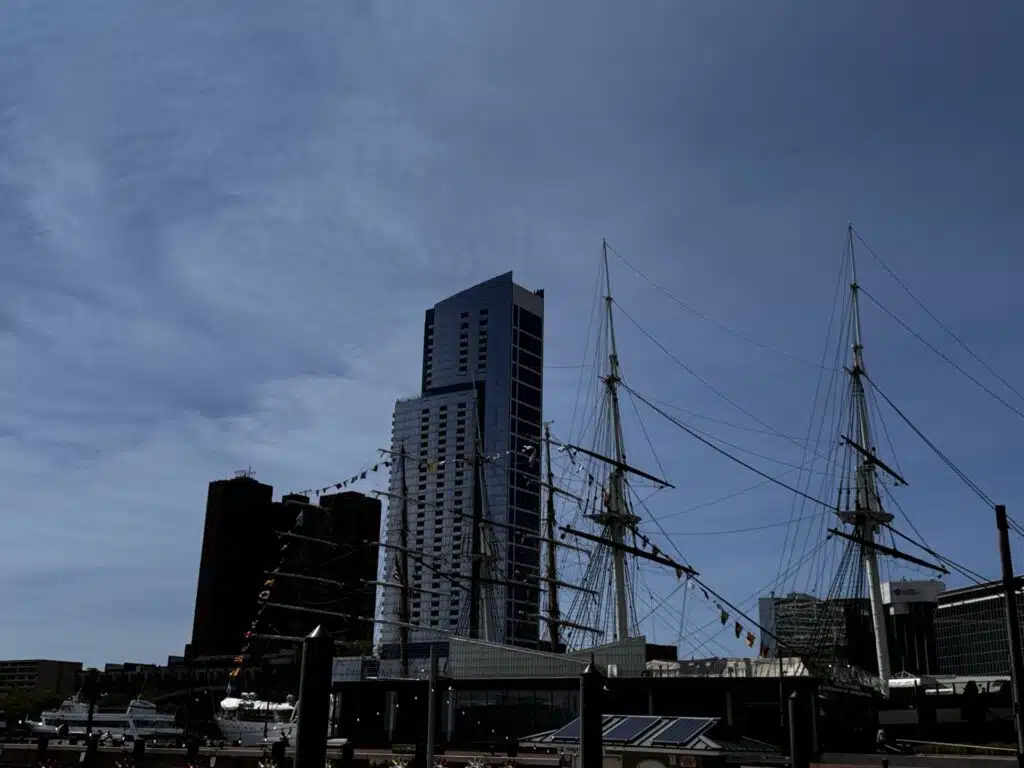
Inner Harbor Personal Injury Claims and Insurance-Company Value Disputes
Insurance companies can use the Inner Harbor’s congestion as a way to make a clear injury claim sound uncertain. A carrier may point to multiple lanes, turning traffic, pedestrians, rideshare vehicles, buses, garages, unfamiliar drivers, or a changing signal and argue that fault cannot be assigned cleanly. It may then add the standard value attacks: limited vehicle damage, delayed treatment, a prior condition, treatment gaps, incomplete wage proof, or insufficient documentation of the injury’s effect on daily life.
An Inner Harbor claim often becomes two disputes at once. The first is reconstruction: who moved where, under what signal, with what opportunity to see and react. The second is valuation: what injury the event caused or aggravated, what treatment was reasonable, what income was lost, and what the evidence shows about future consequences.
“Crowds do not erase negligence, and congestion does not give an adjuster the final word. I separate the scene evidence from the insurance narrative. When the carrier still refuses fair value, I sue the responsible driver, business, property owner, or other party and put the claim before a judge or jury.”
Eric T. Kirk
In an ordinary third-party negligence case, the lawsuit is generally filed against the at-fault driver, vehicle owner, employer, property owner, business, or other legally responsible party—not directly against the liability insurance company. The insurer often selects and pays defense counsel, retains experts, controls covered settlement authority, directs the defense, and pays any covered judgment. The adjuster decides what the carrier will offer voluntarily. A judge or jury has the last word when liability and fair value are litigated.
Request a Complimentary Inner Harbor Injury Case Review
Tell me where the incident occurred, how it happened, what injuries were diagnosed, where you received treatment, what work or activities you have missed, and what position the insurance company has taken. I will evaluate liability, medical causation, available coverage, documentation, and the developing value dispute.
When an Inner Harbor Injury Claim May Need Legal Action
A claim may warrant legal review when the injured person required meaningful medical treatment, faces disputed liability, received a low or delayed offer, lost income, has ongoing symptoms, needs additional treatment, may have a permanent impairment, or is confronting aggressive insurance resistance.
Not every injury requires a lawsuit. The first task is to determine whether the liability evidence, injuries, available insurance, medical proof, litigation expense, and insurer’s position justify moving beyond ordinary claim handling.
How Insurance Companies Use Inner Harbor Complexity to Reduce Claims
The insurer may accept that an incident occurred while disputing almost every fact that affects recovery or value.
| Insurance-company position | What the argument is designed to do | Evidence that may answer it |
|---|---|---|
| The scene was crowded or confusing | Turn congestion into uncertainty about who was negligent | Video, traffic controls, lane markings, vehicle positions, photographs, witnesses, and a precise timeline |
| You failed to keep a proper lookout or react in time | Create a contributory-negligence defense that may bar recovery | Sight-distance evidence, signal timing, obstructions, speed, point of impact, movement sequence, and witness testimony |
| The impact or event was too minor to cause injury | Separate the medical condition from the incident | Medical chronology, diagnostic findings, treating-provider opinions, symptom onset, mechanism evidence, and prior health records |
| Treatment began too late or contained gaps | Question severity, causation, and whether symptoms continued | Reasons for delay, appointment records, continuing symptoms, referral history, transportation or insurance barriers, and provider documentation |
| A prior condition caused the symptoms | Attribute current problems to degeneration or an earlier injury | Pre-incident baseline, prior records, post-incident changes, imaging comparisons, and medical causation opinions |
| The treatment was excessive or unnecessary | Reduce medical expenses and non-economic damages | Referrals, objective findings, treatment plans, response to care, specialist opinions, and medical necessity evidence |
| Lost income and activity limitations are not proven | Reduce economic and quality-of-life damages | Employer verification, payroll and tax records, work restrictions, calendars, photographs, and witness accounts |
| More than one person may be responsible | Delay the claim, divide blame, and create uncertainty about available coverage | Ownership, employment, rideshare status, delivery records, commercial policies, contracts, and each party’s role |
Inner Harbor Conditions and the Evidence They May Create
The Inner Harbor is a downtown waterfront district with hotels, garages, offices, restaurants, attractions, retail activity, public gathering areas, pedestrian movement, commercial loading, rideshare stops, buses, bicycles, scooters, and vehicles entering from multiple downtown corridors. Those conditions do not determine fault. They identify the movements, parties, cameras, records, and physical details that may need to be preserved.
| Inner Harbor condition | Possible injury-claim dispute | Evidence that may matter |
|---|---|---|
| Heavy pedestrian movement | Crosswalk location, signal phase, visibility, lookout, turning traffic, and opportunity to react | Crosswalk markings, signal timing, video, witnesses, lighting, sight lines, and vehicle speed |
| Multiple lanes and turning movements | Lane selection, lane change, improper turn, signal transition, merging, and right of way | Road markings, traffic signs, impact angle, resting positions, dashcam footage, and electronic vehicle data |
| Rideshare, taxi, and delivery activity | Sudden stops, curbside loading, passenger movement, driver status, and layered insurance coverage | Application status, trip records, delivery logs, receipts, employer records, vehicle ownership, and policy information |
| Hotels, garages, retail, and commercial buildings | Premises control, notice, maintenance, security footage, garage movement, and pedestrian-vehicle conflicts | Surveillance, incident reports, maintenance records, contracts, ownership information, and witness accounts |
| Events and visitor turnover | Temporary congestion, unfamiliar drivers, temporary barriers, crowd movement, and disappearing witnesses | Event schedules, temporary traffic controls, photographs, witness information, receipts, and camera locations |
| Waterfront walkways, plazas, stairs, and entrances | Surface condition, lighting, weather exposure, warning signs, maintenance, notice, and control | Photographs, measurements, inspection logs, complaints, repair history, weather records, and surveillance |
President Street and Aliceanna Street: A Useful Evidence Example
The President Street and Aliceanna Street area, near the eastern Inner Harbor and Harbor East approach, illustrates how a downtown collision can generate several competing narratives. Multiple lanes, turning vehicles, changing signals, pedestrians, commercial traffic, and drivers entering or leaving the waterfront district can make a simple description such as “the other driver turned in front of me” incomplete.
A careful analysis may ask:
- Which lane each vehicle occupied before entering the intersection
- What traffic signal each driver faced and when the signal changed
- Whether a turning, merging, or through movement was permitted from that lane
- Whether buses, parked vehicles, construction, pedestrians, or other traffic obstructed sight lines
- The point and angle of impact and where the vehicles came to rest
- Whether nearby businesses, garages, hotels, vehicles, or public facilities recorded the event
The insurer may use the complexity of the intersection to allege that both drivers contributed. The response should be based on evidence, not a general assumption that a busy intersection makes fault unknowable.
Contributory Negligence: The Defense That Can Control an Inner Harbor Claim
Maryland continues to apply contributory negligence in ordinary negligence cases. If the defense proves that the injured person failed to use ordinary care and that failure contributed proximately to the incident or injury, recovery may be barred. This makes allegations about lookout, right of way, speed, signal timing, pedestrian movement, lane position, warnings, visibility, or avoidability potentially decisive.
The insurer’s accusation is not proof. A claims note stating that the scene was confusing, the pedestrian appeared suddenly, or the driver had time to react does not establish the defense. The allegation should be tested against the complete physical, digital, testimonial, and roadway evidence.
Review the firm’s fuller explanation of how insurance companies use contributory negligence against Baltimore injury claims.
Congestion Is Context—not Automatic Contributory Negligence
A busy roadway may require greater attention from everyone involved. It does not automatically establish that the injured person was negligent. The specific movement, opportunity to observe, traffic control, physical evidence, and causal relationship between the alleged conduct and the event must be evaluated.
Personal Injury Claims That May Arise in the Inner Harbor
Car and Commercial-Vehicle Collisions
Claims may involve rear-end impacts, left turns, lane changes, sideswipes, improper turns, parking-garage exits, sudden curbside stops, buses, taxis, delivery vehicles, rideshare vehicles, and commercial vehicles moving through the downtown core.
Pedestrian Injury Claims
Pedestrian cases may involve marked or unmarked crossings, turning vehicles, garage entrances, hotel and restaurant loading zones, rideshare pickups, parking areas, waterfront access points, and locations where the driver and pedestrian dispute visibility, signal timing, or right of way.
Bicycle and Scooter Claims
Bicycle and scooter claims may involve lane position, passing distance, dooring, turning vehicles, curbside activity, roadway transitions, visibility, and disputes about the conduct of both the vehicle operator and the injured rider.
Hotel, Garage, Restaurant, Retail, and Premises Claims
Premises claims may involve wet floors, stairs, entrances, walkways, parking structures, lighting, crowd-control features, falling objects, security conditions, temporary obstructions, ice, defects, or another condition on commercial or public-facing property. The analysis may turn on ownership, possession, control, notice, maintenance responsibility, warnings, and causation.
Rideshare, Taxi, and Delivery Claims
These matters may create additional party and insurance questions. The investigation may include whether the driver was logged into an application, carrying a passenger, making a delivery, using an employer-owned vehicle, operating independently, or covered by more than one potentially applicable policy.
Who Is Sued After an Inner Harbor Accident or Injury?
The proper defendant depends on who owed the legal duty and whose conduct caused the injury. The insurance company is often the practical financial decision-maker, but it is usually not the named defendant in an ordinary third-party negligence lawsuit.
- Vehicle collision: The at-fault driver, vehicle owner, employer, commercial operator, or another responsible party may be sued.
- Rideshare or delivery incident: The driver, vehicle owner, employer, platform-related insurer, delivery company, or another entity may be relevant depending on status and control.
- Unsafe property condition: The property owner, occupier, hotel, restaurant, retailer, garage operator, management company, maintenance contractor, or another party responsible for the condition may be sued.
- Uninsured or underinsured motorist claim: A separate contractual claim may arise under applicable UM/UIM coverage after the responsible parties and liability coverage are evaluated.
For a more detailed explanation, review who may be sued after a Maryland car accident.
The Medical Value Fight: Causation, Treatment, and Documentation
Even when the insurer accepts fault, it may still question whether the incident caused the injury, whether the treatment was reasonable, and whether the records prove the claimed limitations. These are related but distinct issues.
Medical causation
Causation asks whether the incident produced, aggravated, or accelerated the medical condition. A prior condition does not automatically defeat the claim. The analysis may require comparison of the person’s condition and function before and after the incident, the timing of symptoms, diagnostic findings, and treating-provider opinions.
Treatment necessity and continuity
The carrier may criticize when treatment began, whether appointments were missed, how long care continued, what type of treatment was provided, and whether future care is necessary. Referral history, objective findings, response to care, restrictions, and medical recommendations may answer those arguments.
Documentation
A legitimate injury can be undervalued when the supporting record is incomplete. Medical records should identify symptoms, examination findings, diagnoses, restrictions, treatment, progress, and future recommendations. Wage loss, household limitations, and changes in daily activity require separate proof.
Read more about how an insurance company may dispute whether a car accident caused an injury.
What May Be Included in the Value of an Inner Harbor Injury Case?
No single formula determines case value. Depending on the evidence, recoverable damages may include:
- Past medical expenses related to the injury
- Reasonably probable future medical care
- Past lost wages and reduced earning capacity
- Pain, inconvenience, physical limitation, and emotional effects supported by the evidence
- Permanent injury, scarring, impairment, or loss of function
- Loss of household contribution, recreation, mobility, and other daily activities
- Property damage and other recoverable economic loss when applicable
The insurer may reduce its evaluation by minimizing one or more of these categories. The legal question is what the admissible evidence supports—not what the claims department prefers to pay. Review the fuller discussion of what may determine the value of a Baltimore personal injury case.
A Low Offer Can Create Pressure Before the Case Is Ready
Medical balances may remain unpaid. Lost wages may create rent, mortgage, credit, or household pressure. Recommended treatment may be delayed. An injured person may be unable to replace income, repair a vehicle, obtain transportation, or plan for future care.
Those pressures can make an inadequate settlement appear more attractive than it is. Before signing a release, liability risk, medical status, future treatment, wage loss, available coverage, liens, expenses, and probable litigation value should be evaluated together.
Review how low settlement offers may be used in Baltimore injury claims.
How to Preserve Evidence After an Inner Harbor Accident
- Address immediate safety and medical needs. Move away from traffic or another immediate danger when possible, call emergency services when necessary, and obtain appropriate medical evaluation.
- Photograph the complete scene. Capture vehicle positions, damage, traffic controls, lane markings, crosswalks, curb locations, lighting, obstructions, debris, property conditions, warnings, and the surrounding layout.
- Photograph potential cameras. Record nearby hotels, garages, businesses, restaurants, residences, buses, vehicles, doorbells, and public facilities with cameras directed toward the scene.
- Identify witnesses before they leave. Visitors, passengers, employees, pedestrians, and event attendees may be difficult to locate later. Obtain names and direct contact information when possible.
- Preserve application and transaction records. Rideshare trips, deliveries, parking receipts, hotel records, restaurant receipts, tickets, messages, and electronic timestamps may establish timing, location, and party status.
- Preserve your own digital evidence. Save original photographs, dashcam video, phone data when relevant, text messages, emails, and insurance communications. Do not rely on a social-media copy as the only version.
- Follow medical recommendations. Attend appointments when possible, communicate accurately with providers, and explain any unavoidable delay or gap in care.
- Do not sign a release before the claim is evaluated. A release ordinarily ends the claim even if symptoms worsen or additional treatment becomes necessary.
Identify the Camera Before You Need the Video
Hotels, garages, stores, restaurants, offices, buses, vehicles, and public-facing facilities may have recorded part of an Inner Harbor incident. Retention practices vary. Photograph the camera’s location and apparent direction, record the property name and address, and preserve the approximate time. That information may allow a targeted preservation request before routine overwriting occurs.
Should You Give a Recorded Statement?
The answer depends on which insurer is requesting it, the applicable policy duties, the type of claim, and the circumstances. A request from your own insurer under a policy requiring reasonable cooperation is different from a voluntary request by the at-fault party’s liability carrier.
Questions about signal timing, lookout, pedestrian movement, lane position, speed, distractions, pain, prior injuries, and treatment may later be used to evaluate contributory negligence, causation, credibility, or value. Give accurate information, avoid speculation, preserve a copy when possible, and understand the purpose and scope of the request.
Read the fuller discussion of recorded statements after a Maryland automobile accident.
Hypothetical Inner Harbor Collision: How Congestion Becomes a Defense
The following scenario is illustrative and is not a report of an actual case.
A driver approaches a downtown intersection while a second vehicle attempts a turn across several lanes. Pedestrians are near the curb, a rideshare vehicle is stopped in a travel lane, and a bus partially blocks one sight line. The vehicles collide at an angle.
The turning driver says the approaching vehicle entered late and was traveling too fast. The approaching driver says the turn began without sufficient clearance. The insurer describes the scene as confusing and argues that both drivers contributed.
The evidence may provide a clearer answer: signal sequence, permitted lane movements, point of impact, resting positions, video, event-data information, witness vantage points, and whether the alleged speed or lookout failure actually contributed. After liability is addressed, the carrier may still dispute impact severity, treatment timing, prior conditions, wage loss, and value. Proving fault and proving fair compensation remain separate tasks.
How Eric T. Kirk Handles a Contested Inner Harbor Injury Claim
I begin by separating the case into four questions: Who is legally responsible? What injury did the event cause or aggravate? What losses can be proven? What insurance or assets may respond?
- Investigate liability. I evaluate scene evidence, video, witness information, reports, traffic controls, property conditions, vehicle positions, ownership, employment, and the factual basis for any contributory-negligence allegation.
- Identify every responsible party. The case may involve a driver, owner, employer, rideshare or delivery coverage, hotel, restaurant, retailer, garage operator, property manager, contractor, or another entity.
- Develop medical causation. I organize the treatment chronology, prior medical history, diagnostic findings, restrictions, provider opinions, and evidence of future care or permanency.
- Document the full loss. I develop wage, medical, functional, and quality-of-life proof rather than allowing the claim to be reduced to a set of bills and photographs.
- Identify coverage. I evaluate liability policies, vehicle ownership, employment, commercial insurance, rideshare status, umbrella coverage, PIP, and uninsured or underinsured motorist protection when applicable.
- Challenge the valuation. I address unsupported fault, causation, treatment, prior-condition, documentation, credibility, coverage, or value arguments.
- File suit when necessary. When the insurer does not offer fair value, I sue the responsible person or entity and use discovery, depositions, expert testimony, motion practice, and trial preparation to place the dispute before a judge or jury.
The Cost of Hiring an Injury Lawyer Matters
Attorney fees reduce the client’s net recovery. Qualifying personal injury cases may be eligible for the firm’s Reduced Attorney Fee Program. Eligibility, litigation expenses, and the controlling fee are explained in the written representation agreement.
What to Send for the Initial Review
You do not need a perfectly organized file before contacting me. Start with the materials you already have:
- The police, incident, business, hotel, garage, or property report
- Scene, vehicle, property-condition, and injury photographs
- Insurance correspondence and any settlement offer
- A list of medical providers and approximate treatment dates
- Work restrictions and wage-loss information
- Witness names and information about possible video
- Rideshare, delivery, parking, hotel, event, or transaction records when relevant
- A short account of how the incident occurred and how the injuries affect you now
Video: Inner Harbor Traffic and Insurance Fault Disputes
Video transcript: President Street, Aliceanna Street, and Inner Harbor fault disputes
Downtown intersections near the Inner Harbor and Harbor East may involve multiple lanes, turning movements, changing signals, pedestrians, buses, rideshare vehicles, and commercial traffic. Those conditions can create competing accounts of lane position, visibility, signal timing, and opportunity to react.
An insurance company may use the complexity of the location to argue that the injured person contributed to the collision. The analysis should instead focus on the specific movement, traffic control, sight lines, impact evidence, witnesses, and available video.
Even when liability is established, the carrier may separately question medical causation, treatment, prior conditions, lost income, and value. This transcript is provided for general educational purposes. Every claim depends on its own facts, evidence, defendants, insurance coverage, and applicable law.
Inner Harbor Personal Injury Claim FAQ
Does the insurance adjuster decide what my Inner Harbor injury case is worth?
The adjuster determines what the insurer is willing to offer voluntarily. The adjuster does not make the final judicial determination of fair value. When the claim cannot be resolved, a lawsuit allows a judge or jury to decide liability and damages based on the admitted evidence.
Can I recover if the insurance company says I was partly at fault?
Maryland contributory negligence may bar recovery if the defense proves that your failure to use ordinary care contributed proximately to the incident or injury. The allegation must still be supported by evidence. Scene proof, video, witnesses, traffic controls, movement, and physical conditions may be critical.
Why are Inner Harbor pedestrian claims often disputed?
The carrier may question the crossing point, signal phase, pedestrian movement, visibility, driver lookout, turning path, lighting, obstructions, and opportunity to react. A crowded area may create more factual issues, but it does not automatically establish fault by the pedestrian.
What if a hotel, garage, restaurant, or store may have video?
Identify the property and camera location promptly. Photograph the camera’s apparent direction, preserve the approximate time, and keep receipts or other records showing your location. Retention practices vary, and footage may be overwritten through ordinary system operation.
Who may be responsible for an Inner Harbor rideshare or delivery crash?
The driver, vehicle owner, employer, delivery company, rideshare-related coverage, or another party may be relevant. The analysis may include application status, whether a passenger or delivery was involved, business purpose, vehicle ownership, and potentially applicable policies.
Can I bring a claim for a fall at an Inner Harbor business or garage?
Potentially. The claim may depend on the nature of the condition, who owned or controlled the location, whether the responsible party knew or should have known about it, whether a warning was provided, whether the condition caused the fall, and whether contributory negligence or assumption of risk is supported.
What if I did not seek medical treatment immediately?
The insurer may use a delay to question severity or causation. The reason for the delay, timing and persistence of symptoms, later findings, and the medical record should be evaluated. A delay does not automatically end the claim, but it can create a proof issue.
Should I give the insurance company a recorded statement?
First identify who is requesting it and why. Your own insurer may have contractual rights to reasonable cooperation. The at-fault party’s liability insurer does not occupy the same contractual position. Recorded statements can preserve useful information, but inaccuracies, speculation, or unnecessary detail may later be used against the claim.
Who is sued after an Inner Harbor car accident?
The lawsuit is generally filed against the at-fault driver, vehicle owner, employer, or another responsible party. The liability insurer commonly controls the defense and covered settlement authority and pays any covered judgment, but it is ordinarily not the named defendant in the negligence action.
Can I recover if the at-fault driver has too little insurance?
Potentially. Vehicle ownership, employment, commercial coverage, rideshare or delivery coverage, umbrella insurance, other responsible parties, and applicable uninsured or underinsured motorist coverage should be investigated before concluding that recovery is limited to one policy.
How much does it cost to hire an Inner Harbor personal injury lawyer?
The fee and responsibility for litigation expenses must be stated in a written agreement. Qualifying personal injury cases may be eligible for the Reduced Attorney Fee Program. The program, eligibility, and written agreement should be reviewed before representation begins.
What happens during a complimentary case review?
I review how the incident occurred, the potential defendants, medical treatment, current symptoms, lost income, insurance information, fault allegations, settlement position, and available evidence. I then explain whether further investigation, claim presentation, negotiation, or litigation appears warranted.
Inner Harbor Neighborhood and Roadway Connections
Nearby Baltimore injury pages address Mount Vernon personal injury claims, Harbor East injury claims, Fells Point personal injury claims, and Seton Hill personal injury claims.
Roadway-specific analysis is available for Pratt Street injury and traffic claims, Light Street car accident disputes, Lombard Street injury claims, and Baltimore roadways that shape car accident and injury claims.
Related Baltimore Personal Injury Resources
- Baltimore Personal Injury Lawyer
- Baltimore Car Accident Lawyer
- How the Maryland Personal Injury Claim Process Works
- Maryland Contributory Negligence and Injury Claims
- Recorded Statements After a Maryland Car Accident
- What Determines the Value of a Baltimore Injury Case?
- Who May Be Sued After a Maryland Car Accident?
- Reduced Attorney Fee Program
Discuss Your Inner Harbor Personal Injury Claim
The insurer may use congestion to question fault and then challenge causation, treatment, prior conditions, documentation, and value. It does not have the final legal word. A complimentary case review can identify the responsible parties, evidence, available coverage, medical proof, and whether the claim should proceed toward negotiation or litigation.
- Baltimore Personal Injury Trial Lawyer
- Legal Analysis & Case Studies
- Baltimore Insurance Claims Denial Lawyer

For over three decades, I have battled against the nation’s largest insurance companies, always endeavoring to ensure my clients receive the compensation they deserve. As lead counsel in thousands of cases across Maryland, New York, and Florida, I have recovered millions for clients whose claims were wrongfully denied and delayed. Whether denying fair compensation for a personal injury victim or denying benefits to a homeowner, Insurance companies employ policy exclusions, technicalities, and lowball offers to deny and defeat claims. They also hire very good lawyers to fight you in court. So should you. When an insurance company unfairly rejects a claim, I stop them.

