
Assumption of the Risk Defense in Maryland Personal Injury Cases (Baltimore Guide)
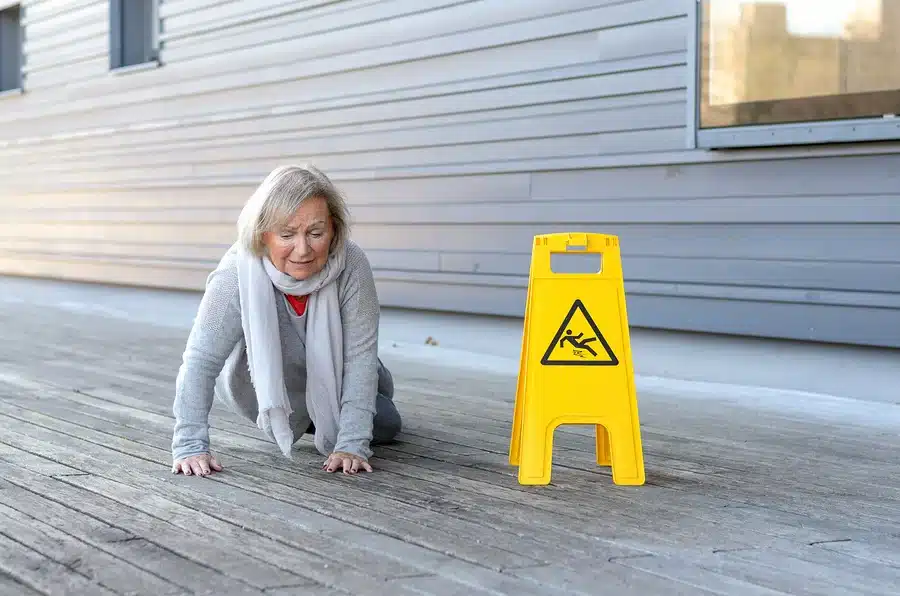
Assumption of the Risk Defense in Maryland Personal Injury Cases
What is assumption of the risk in a Maryland personal injury case?
Assumption of the risk is a legal defense that can completely bar recovery if a person knowingly and voluntarily exposed themselves to a known danger. If the defense succeeds, the injured person receives nothing—even if the injury is real and serious.
Main risk: this defense, like contributory negligence, can eliminate the entire claim.
Insurance company tactic: frame your actions as a voluntary decision to face a known hazard.
Next issue: whether the risk was truly known, understood, and voluntarily accepted.
TL;DR — Assumption of the Risk in Baltimore Injury Cases
- This defense can completely bar recovery.
- It applies when someone knowingly accepts a known danger.
- Insurance companies use it aggressively in fall and weather-related cases.
- It overlaps with contributory negligence but is legally distinct.
- The fight is usually about what the person actually knew and whether they had a real choice.
What is assumption of the risk in Maryland?
Assumption of the risk applies when a person knowingly encounters a dangerous condition and voluntarily proceeds anyway. The focus is not on carelessness—it is on awareness and choice.
This distinguishes it from ordinary negligence analysis. The question becomes whether the injured person accepted the danger, not whether they acted reasonably.
Structured Answer Summary: What Is the Value of a Baltimore Personal Injury Case?
| If this is happening | What it may mean for case value | What may matter next |
|---|---|---|
| Liability is disputed or contributory negligence is raised. | Recovery may be reduced or barred entirely under Maryland contributory negligence law. | Whether the available evidence supports or weakens the insurer’s fault arguments. |
| The insurance company argues the case is worth less than expected. | The insurer may be minimizing damages, proof quality, or liability strength. | Whether medical records, wage documentation, and liability evidence support a higher valuation. |
| There are treatment gaps or inconsistent medical records. | The insurer may argue the injuries were minor, resolved, or unrelated. | Whether the medical chronology and treatment consistency support causation and injury severity. |
| Insurance coverage is limited. | Coverage limits may create a practical ceiling on recovery regardless of injury severity. | Whether additional insurance coverage, UM/UIM benefits, or other responsible parties exist. |
| The insurer disputes permanency or future damages. | Long-term damages may become harder to recover without sufficient proof. | Whether expert opinions and medical evidence support future loss claims. |
| The claim involves prior injuries or complicated medical history. | The insurer may argue the accident did not cause all claimed injuries. | Whether the evidence clearly separates prior conditions from accident-related harm. |
| The insurer focuses heavily on documentation inconsistencies. | Proof-quality disputes may reduce credibility and valuation. | Whether records, testimony, and damages evidence remain consistent and supportable. |
| Settlement negotiations continue without resolution. | Case value may remain uncertain until litigation risk is fully evaluated. | Whether the evidence and liability posture increase or decrease settlement pressure. |
How is assumption of the risk different from contributory negligence?
| Defense | Focus | Effect |
|---|---|---|
| Contributory Negligence | Failure to exercise reasonable care | Complete bar to recovery |
| Assumption of Risk | Knowing and voluntary exposure to danger | Complete bar to recovery |
Both defenses can destroy a claim, but they operate differently. One focuses on carelessness. The other focuses on conscious choice.
Why this defense can destroy a Baltimore injury claim
If the defense is accepted, there is no partial reduction. There is no compromise. There is no balancing. The claim is over.
This is why insurance companies push it early—often before the full facts are developed—because even raising it can reduce perceived claim value.
When do insurance companies use assumption of the risk?
- Slip and falls on ice or snow
- Hazardous property conditions
- Recreational or voluntary activities
- Situations where warnings allegedly existed
The goal is consistent: shift the focus from the defendant’s conduct to the plaintiff’s decision.
Ice and snow cases — the most common battleground
This defense appears most frequently in winter-weather cases. The argument is simple: a reasonable person knows ice is dangerous and should avoid it.
That argument can be effective—but it is often oversimplified.
Related Baltimore personal injury defenses and claim issues
What insurance companies ignore in real-world cases
- Black ice that is not visible
- Lack of alternative routes or exits
- Necessity (work, medical, or daily life obligations)
- Inadequate warnings or maintenance
The real issue is not whether ice existed. It is whether the risk was actually known and avoidable.
Relevant Baltimore roadway patterns
What must be proven for assumption of the risk to apply
- The danger was known
- The danger was understood
- The person voluntarily accepted the risk
If any of these elements are missing, the defense weakens significantly.
Baltimore Decision Fork — Did you actually have a choice?
This is where many cases turn:
- If you knowingly chose a dangerous path when safer options existed → defense strengthens
- If you had no reasonable alternative → defense weakens
- If the danger was hidden or unclear → defense weakens
Baltimore neighborhoods where this defense frequently arises
Evidence that defeats the defense
- Photos showing hidden hazards
- Weather timing evidence
- Witness testimony
- Maintenance records
- Proof of lack of safe alternatives
How personal injury case value is actually determined in Baltimore
Personal injury case value is not a fixed number. It develops as the claim moves through a series of pressure points—where insurers evaluate what can be proven, what can be challenged, and where value can be reduced.
The sections below track that process. Each one reflects a stage where cases tend to shift.
Do you have a case, and how strong is it?
If fault or entitlement is being questioned → review how entitlement affects value
From whom are you entitled to recover?
If there are multiple parties or uncertainty about who pays → see how recovery sources affect the claim
How does insurance coverage affect recovery?
If policy limits or available coverage are controlling the outcome → see how coverage shapes value
When do you find out what your case is worth?
If timing and evaluation are unclear → see when valuation becomes reliable
What actually drives the value of your case?
If medical evidence, treatment, or documentation is being questioned → see how medical evidence affects value
How do lost wages and economic losses affect value?
If time out of work or income loss is being challenged → see how wage loss is evaluated
How are pain and suffering damages evaluated?
If your injuries are being minimized or questioned → see how non-economic damages are assessed
How do risk and legal defenses affect value?
If liability, contributory negligence, or insurer strategy is impacting your claim → see how risk and defenses reduce value
How insurance companies may use assumption of the risk to resist a Baltimore injury claim
Short answer: Some insurance companies may use assumption of the risk arguments to claim that the injured person knowingly and voluntarily encountered a danger, which may become a serious defense issue in a Maryland personal injury case.
This defense can become especially important when the insurer argues that the danger was visible, known, obvious, warned about, or avoidable. The claim may then shift away from the injury itself and toward what the injured person actually knew, what choices were realistically available, and what the scene conditions showed at the time.
Insurance companies may sometimes frame the issue broadly: “You saw the danger and accepted it.” The real dispute may be more specific. The evidence may need to address the exact risk, the injured person’s actual knowledge, visibility, timing, warnings, lighting, alternatives, and whether the decision was truly voluntary under the circumstances.
Not every risk-related argument defeats a claim. Some claims may involve disputed facts about whether the condition was visible, whether the claimant understood the specific danger, whether there was a safe alternative, or whether the insurer is using hindsight to make the risk look clearer than it was before the injury occurred.
What may matter next? Whether the available evidence supports the insurer’s assumption-of-risk theory or shows that knowledge, voluntariness, visibility, and avoidability remain disputed.
Start with the full Baltimore injury framework
What is assumption of the risk in Maryland personal injury law
Assumption of the risk is a defense that bars recovery if a person knowingly and voluntarily exposes themselves to a known danger. If proven, the injured person cannot recover compensation.
Can assumption of the risk completely defeat a personal injury claim
Yes. Like contributory negligence, assumption of the risk is a complete defense in Maryland. If the defense applies, the claim fails entirely regardless of the severity of the injury.
How is assumption of the risk different from contributory negligence
Assumption of the risk focuses on knowingly accepting a danger, while contributory negligence focuses on failing to act carefully. Both defenses can bar recovery, but they rely on different legal theories.
Do ice and snow accidents trigger assumption of the risk
They often do. Insurance companies frequently argue that a person who walks on ice knowingly accepted the danger. Whether that argument succeeds depends on visibility, necessity, and available alternatives.
What must be proven for assumption of the risk to apply
The defense requires proof that the danger was known, understood, and voluntarily accepted. If any of those elements are missing, the defense weakens.
Can you still win a case if assumption of the risk is raised
Yes. The defense does not automatically apply. Many cases turn on whether the risk was truly known or whether the person had a real choice in facing it.
Related Baltimore Personal Injury Resources:
- Baltimore Personal Injury Lawyer
- What Is My Case Worth?
- Insurance Claim Denial Lawyer
- Workers’ Compensation Lawyer
- Baltimore Work Injury Lawyer
Understanding Case Value
Related Personal Injury Topics
Baltimore Traffic Fault and Roadway Disputes
Additional Baltimore Neighborhood Claim Context
Key decisions that can affect your injury claim
How fault affects your case in Maryland
Dealing with the insurance company
Has the insurance company started arguing that you accepted the risk?
Some Baltimore personal injury claims become more contested when the insurance company argues that the injured person knew about a danger, understood it, and voluntarily encountered it anyway.
That does not automatically mean the defense applies. But it may signal that evidence about warnings, visibility, prior knowledge, available choices, scene conditions, and the actual sequence of events is becoming important.
- Baltimore Personal Injury Trial Lawyer
- Legal Analysis & Case Studies
- Baltimore Insurance Claims Denial Lawyer

For over three decades, I have battled against the nation’s largest insurance companies, always endeavoring to ensure my clients receive the compensation they deserve. As lead counsel in thousands of cases across Maryland, New York, and Florida, I have recovered millions for clients whose claims were wrongfully denied and delayed. Whether denying fair compensation for a personal injury victim or denying benefits to a homeowner, Insurance companies employ policy exclusions, technicalities, and lowball offers to deny and defeat claims. They also hire very good lawyers to fight you in court. So should you. When an insurance company unfairly rejects a claim, I stop them.

